Love Me Do tells the story of the Rolling Stones’ song Jumpin’ Jack Flash, one of their greatest 60s hits and still a stage favourite today.
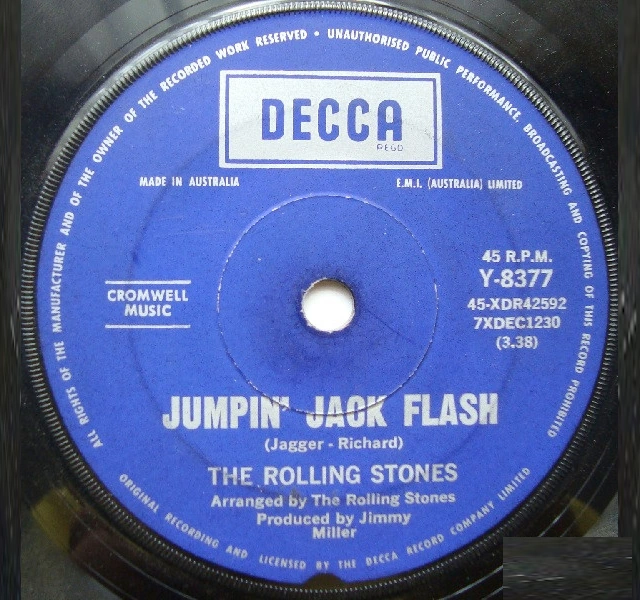 Jumpin’ Jack Flash is one of The Rolling Stones’ most iconic and enduring songs, released as a single in 1968. Written by Mick Jagger and Keith Richards (though he was still Keith Richard in those days), the track is widely regarded as a defining moment in the band’s career, marking a return to their blues-rock roots after a brief foray into psychedelia. The song’s raw energy, gritty lyrics, and infectious riff have made it a staple of classic rock radio and a fan favorite at live performances.
Origins of Jumpin’ Jack Flash
The title Jumpin’ Jack Flash was inspired by Richards’ gardener, Jack Dyer, who lived on the singer’s property in England. According to Richards, Dyer would often stomp around in his Wellington boots, and the phrase Jumpin’ Jack emerged as a nickname for him. The Flash part was added later, giving the song its distinctive, almost mythical quality.
Mick Jagger took this imagery and crafted lyrics that tell the story of a resilient, street-smart survivor who overcomes adversity. Lines like ‘I was born in a crossfire hurricane’ and ‘I was raised by a toothless, bearded hag’ paint a vivid picture of hardship and triumph, though the exact meaning of the lyrics remains open to interpretation.
Jumpin’ Jack Flash: Musical Composition
The song is built around one of Keith Richards’ most famous guitar riffs, a driving, bluesy progression played in open tuning (open E or open D, depending on the version). The riff is instantly recognizable and has become synonymous with the Stones’ sound. Charlie Watts’ drumming provides a steady, pounding backbone, while Bill Wyman’s bassline adds a groovy, rhythmic foundation.
In his autobiography, Stone Alone, Bill Wyman says that he came up with the opening guitar riff, working on it with Brian Jones and Charlie Watts, before showing it to Mick and Keith, with Keith providing the finishing touches.
The track also features Nicky Hopkins on piano, whose subtle yet impactful playing complements the raw energy of the band. Brian Jones, though still a member of the band at the time, had a limited role in the recording due to his declining health and personal issues.
Recording and Production
Jumpin’ Jack Flash was recorded in early 1968 at Olympic Studios in London, with Jimmy Miller producing. Miller, who worked on many of the Stones’ most famous albums, helped the band achieve a more polished yet gritty sound. The recording process was relatively quick, with the band capturing the song’s essence in just a few takes. The single was released on May 24, 1968, and became an instant hit, reaching number one in the UK and number three in the US.
You can buy Jumpin’ Jack Flash on many compilations, including Hot Rocks 1964-1971.
Jumpin’ Jack Flash: Cultural Impact
The song marked a turning point for The Rolling Stones, both musically and culturally. After the experimental and somewhat divisive Their Satanic Majesties Request (1967), Jumpin’ Jack Flash signaled a return to the band’s blues-rock roots, recorded at the same sessions as their next album, Beggars Banquet. The song’s themes of survival and resilience resonated with audiences, particularly during the turbulent late 1960s. It also solidified the band’s image as rebellious, hard-edged rockers, contrasting with the more polished sound of contemporaries like The Beatles.
The only released live performance of the song which features Brian Jones is on The Rolling Stones Rock and Roll Circus CD or DVD.
Jumpin’ Jack Flash’s Legacy
Jumpin’ Jack Flash has remained a cornerstone of The Rolling Stones’ live performances, often serving as an opening number to electrify audiences. Its riff and lyrics have been referenced and covered by countless artists across genres, from Aretha Franklin to Motörhead. The song has also appeared in numerous films, TV shows, and commercials, further cementing its place in popular culture.
In 1986, the song gained renewed attention when it was used as the title for a film starring Whoopi Goldberg, though the movie had little to do with the song itself. The Stones also released a music video for Jumpin’ Jack Flash in the 1980s, directed by David Mallett and featuring Mick Jagger in various disguises, showcasing the band’s ability to adapt to changing times.
The song has featured in every Rolling Stones’ tour since it was released.
Conclusion
Jumpin’ Jack Flash is more than just a song; it’s a cultural touchstone that encapsulates the essence of The Rolling Stones. Its gritty lyrics, unforgettable riff, and raw energy have made it a timeless classic, beloved by fans and critics alike. Whether heard on the radio, at a concert, or in a movie, the song continues to capture the spirit of rock ‘n’ roll, proving that The Rolling Stones are, indeed, a gas-gas-gas and the Greatest Rock and Roll Band in the World.
RECENT POSTS
Jumpin’ Jack Flash
Love Me Do tells the story of the Rolling Stones’ song Jumpin’ Jack Flash, one of their greatest 60s hits and still a stage favourite today.
The Songs: From Me to You
Love Me Do tells the story of the Beatles third single, From Me to You, which was their first to reach Number One in the UK pop charts.

Bio: Brian Jones
Love Me Do presents a brief look at the life of the multi-talented Brian Jones, founder of The Rolling Stones who died cruelly young at the age of 27.
The Songs: Baba O’Riley
Love Me Do brings you the story of The Who’s song Baba O’Riley, written by Pete Townshend as the opening track for the Who’s Next LP and a stage favourite.
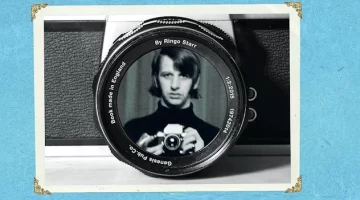
Book Review: Photograph by Ringo Starr
Love Me Do’s review of Photograph by Ringo Starr, a collection of photography by The Beatles’ legendary drummer who was indeed a talented photographer.
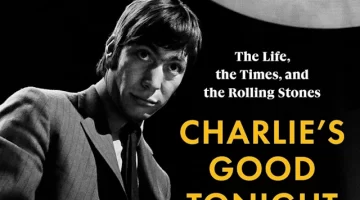
Book Review: Charlie’s Good Tonight
Love Me Do reviews Charlie’s Good Tonight by Paul Sexton, the official biography of Rolling Stones drummer Charlie Watts.
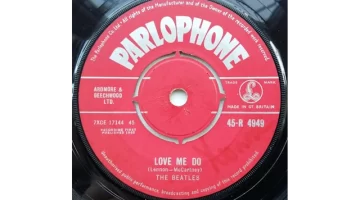
The Songs: Love Me Do
Love Me Do tells the story of the song Love Me Do, the Beatles first single which launched a music revolution leading to the British Invasion of the USA.
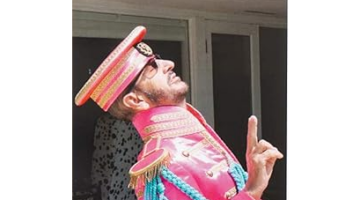
Book Review: Another Day in the Life by Ringo Starr
Love Me Do reviews the book Another Day in the Life by Ringo Starr, showing his life in the Beatles and afterwards, & showcasing his skills as a photographer.
The Songs: Come On
Love Me Do tells the story of Come On, the song written by Chuck Berry and later recorded by The Rolling Stones as their first single release.