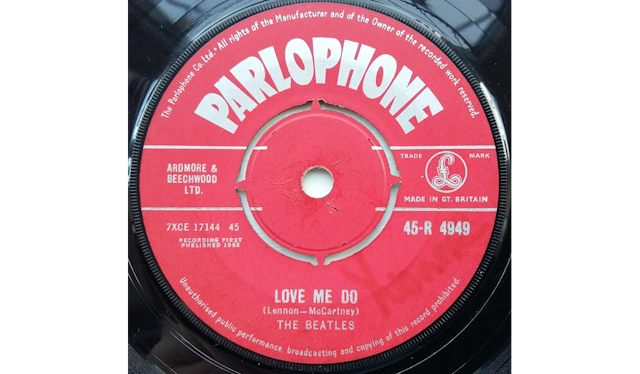
Love Me Do tells the story of the song Love Me Do, the Beatles first single which launched a revolution leading to the (music) British Invasion of the USA.
 Love Me Do holds a special place in the history of The Beatles as their debut single and one of their earliest songs. Released on October 5, 1962, it marked the beginning of their journey to international stardom. Here’s a closer look at the story behind this historic song.
Love Me Do’s Origins and Composition
The song was primarily written by Paul McCartney in 1958-1959 when he was just 16 years old. John Lennon contributed to the middle eight, making it a collaborative effort typical of their early songwriting partnership. The simplicity of the lyrics and the catchy melody reflect the influences of American rock and roll and rhythm and blues that shaped their musical tastes.

Recording Sessions for Love Me Do
The recording of Love Me Do involved several sessions at EMI’s Abbey Road Studios in London. The Beatles had just been signed by producer George Martin, who played a crucial role in their early success. The recording process, however, was not without its challenges.
June 6, 1962: The Beatles’ first recording session with George Martin featured Pete Best on drums. However, Martin was not satisfied with Best’s drumming, which led to his replacement by Ringo Starr.
September 4, 1962: In their second session, Ringo Starr made his recording debut with The Beatles. Despite his performance, Martin was still not completely convinced and decided to bring in a session drummer for the next attempt.
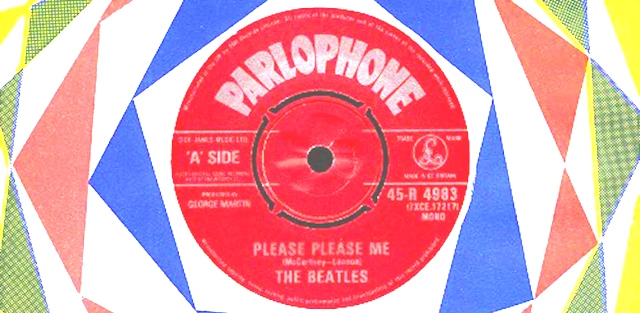
September 11, 1962: Andy White, a session drummer, was brought in for this session. Ringo was relegated to playing the tambourine. This version of Love Me Do with White on drums and Starr on tambourine became the official single released in the UK, though the first pressing featured the Ringo version. Confusing or what?
 Love Me Do’s Release and Reception

Love Me Do was released in the UK on October 5, 1962, with P.S. I Love You as the B-side. The single reached number 17 on the UK Singles Chart, a modest but promising start for the band. The song’s success was instrumental in securing The Beatles’ future with EMI and George Martin’s continued support.
Love Me Do’s Impact and Legacy
Love Me Do is often celebrated for its raw, unpolished sound, which contrasts with the more sophisticated recordings that followed in The Beatles’ career. The song’s harmonica riff, played by John Lennon, became one of its signature elements, contributing to its distinctive sound.
The release of Love Me Do marked the beginning of the band’s journey to becoming one of the most influential and successful musical acts in history. The song’s simplicity and charm have ensured its enduring popularity, and it remains a beloved part of The Beatles’ catalog. Even today, Paul McCartney sometimes includes it in his set.
Conclusion
Love Me Do is more than just a song; it’s a historic milestone that signifies the humble beginnings of The Beatles… and in my view, of the Sixties. From its composition in the late 1950s to its recording challenges and eventual release, the story of Love Me Do is a testament to the band’s determination, talent, and the early chemistry that would eventually lead them to change the course of popular music.
Buying Love Me Do
There are three different versions of Love Me Do, as described above. Here’s where you can find the alternative versions:
Pete Best Version: This version was included in The Beatles’ Anthology 1, released in 1995.
Alan White Version: This version was used for the second pressing of the original Parlophone single and is also included on the Please Please Me LP, released in 1963.
Ringo Starr Version: This version was used for the first pressing of the original Parlophone single and is also included on the Past Masters compilation, released in 1988.
Buying Love Me Do
There are three different versions of Love Me Do, as described above. Here’s where you can find the alternative versions:
Pete Best Version: This version was included in The Beatles’ Anthology 1, released in 1995.
Alan White Version: This version was used for the second pressing of the original Parlophone single and is also included on the Please Please Me LP, released in 1963.
Ringo Starr Version: This version was used for the first pressing of the original Parlophone single and is also included on the Past Masters compilation, released in 1988.
RECENT POSTS
Love Me Do
Love Me Do tells the story of the song Love Me Do, the Beatles first single which launched a music revolution leading to the British Invasion of the USA.
Book Review: Another Day in the Life by Ringo Starr
Love Me Do reviews the book Another Day in the Life by Ringo Starr, showing his life in the Beatles and afterwards, & showcasing his skills as a photographer.
The Songs: Come On
Love Me Do tells the story of Come On, the song written by Chuck Berry and later recorded by The Rolling Stones as their first single release.
Bio: Ronnie Wood
Love Me Do brings you a brief bio of Ronnie Wood, from his time with The Faces to The Rolling Stones, and his artwork and personal life.
Bio: Mick Jagger
Love Me Do provides a brief profile of Mick Jagger of the Rolling Stones from his early life through his rise to fame and to his musical legacy and honours.
Bio: Keith Richards
Love Me Do tells the story of Keith Richards of the Rolling Stones from his early life through his rise to fame to his musical legacy and honours.
Book Review: The Rolling Stones: The Brian Jones Years
Love Me Do reviews The Rolling Stones: The Brian Jones Years (Every Song from Every Session) by Peter Checksfield, an in-depth look into Brian Jones’ influence.

Bio: Mike d’Abo
Love Me Do tells the story of Mike d’Abo, who replaced Paul Jones as lead singer of the 1960s pop group Manfred Mann, and was also an accomplished songwriter.
Bio: Keith Relf
Love Me Do tells the story of Keith Relf, lead singer with The Yardbirds and later Renaissance, and whose life was cut tragically short.
Book Review: Life by Keith Richards
Love Me Do reviews Life by Keith Richards, the warts and all autobiography by the Rolling Stones lead guitarist and rock legend.
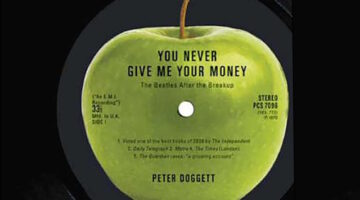
Book Review: You Never Give Me Your Money
Love Me Do reviews the book You Never Give Me Your Money by Peter Doggett, which provides an in-depth look at The Beatles’ breakup and their financial dealings.

Book Review: Here Comes the Sun
Love Me Do reviews Here Comes the Sun: The Spiritual and Musical Journey of George Harrison by Joshua M. Greene.
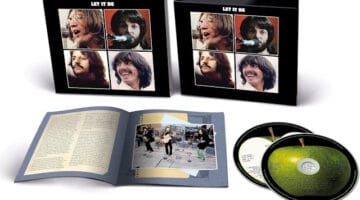
LP Review: Let It Be – The Beatles
Love Me Do reviews the Beatles final LP release, Let It Be, with such tracks as Get Back, Let It Be, Across the Universe and The Long and Winding Road.

LP Review: Abbey Road – The Beatles
Love Me Do reviews The Beatles’ Abbey Road LP with such tracks as Something, Here Comes the Sun, Come Together, Octopus’s Garden and Maxwell’s Silver Hammer.
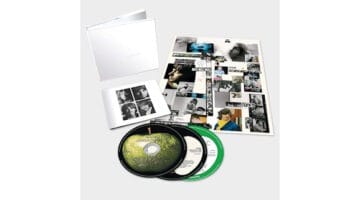
LP Review: The White Album – The Beatles
Love Me Do reviews The Beatles’ LP known as The White Album with such tracks as Blackbird, While My Guitar Gently Weeps, Bungalow Bill, Julia and I Will.
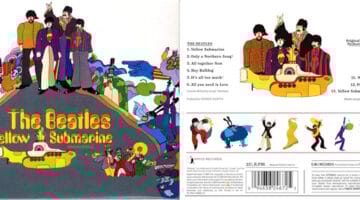
LP Review: Yellow Submarine – The Beatles
Love Me Do reviews The Beatles’ Yellow Submarine LP, with songs such as Yellow Submarine, All You Need Is Love, Hey Bulldog and All Together Now.

LP Review: Magical Mystery Tour – The Beatles
Love Me Do reviews the Beatles’ Magical Mystery Tour LP with such songs as Fool on the Hill, I Am the Walrus, Penny Lane and All You Need Is Love.
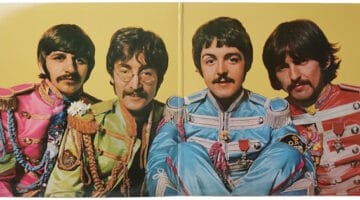
LP Review: Sgt. Pepper’s Lonely Hearts Club Band – The Beatles
Love Me Do reviews the Beatles’ best album, Sgt Pepper’s Lonely Hearts Club Band, with such tracks as She’s Leaving Home and With a Little Help from My Friends.
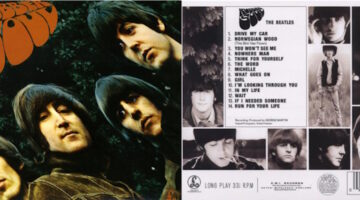
LP Review: Rubber Soul – The Beatles
Love Me Do reviews the Beatles LP Rubber Soul with track highlights such as Norwegian Wood, Michelle, Nowhere Man, Girl, Drive My Car and In My Life.
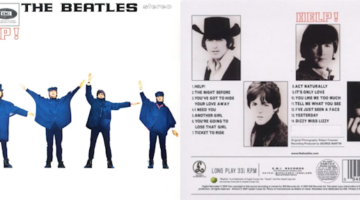
LP Review: Help! – The Beatles
Love Me Do reviews the Beatles’ fifth LP, the soundtrack to their second film, Help!, with such hits as Ticket to Ride and Yesterday, and Ringo’s Act Naturally.
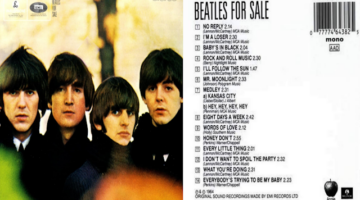
LP Review: Beatles for Sale – The Beatles
Love Me Do reviews the Beatles’ fourth LP, Beatles for Sale, with covers of six songs including Words of Love, Honey Don’t and Rock and Roll Music.