


Love Me Do brings you the story of Newcastle’s The Animals, part of the British Invasion with hits like Don’t Let Me Be Misunderstood and House of the Rising Sun.
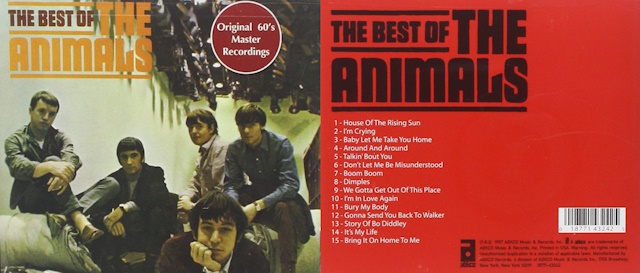
The Animals are one of the unique groups of the British Invasion, known for their gritty blues-based sound and powerful performances. Originating from Newcastle upon Tyne in the North-East of England in the early 1960s, they have left a lasting legacy in rock and blues music. Here’s a brief history of The Animals.
 Early Years of The Animals
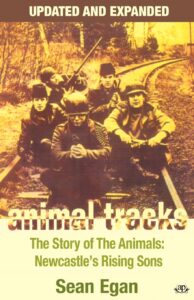
The Animals were formed in 1962 by Eric Burdon (vocals), Alan Price (keyboards), Hilton Valentine (guitar), Chas Chandler (bass), and John Steel (drums). The group members had been involved in the local music scene before coming together, drawn by their shared love of American blues and R&B. Their name, The Animals, reflected their wild stage presence and raw energy.
Breakthrough of The Animals (1964-1966)
The Animals’ breakthrough came with the release of their version of the traditional folk song The House of the Rising Sun in 1964. Their rendition, characterized by Eric Burdon’s deep, soulful voice and Alan Price’s haunting organ riff, became a massive hit, topping the charts in both the UK and the US. The song’s success established The Animals as major players in the British Invasion.
Their debut LP, The Animals (1964), included their hit and rock classics like Chuck Berry’s Around and Around and Memphis, Tennessee. The group’s raw, bluesy sound and powerful performances set them apart from their contemporaries. They followed up with a series of successful singles, including Don’t Let Me Be Misunderstood and We Gotta Get Out of This Place, which became anthems of the 1960s.
Lineup Changes and Continued Success (1966-1968)
The mid-1960s saw significant changes in The Animals’ lineup. Alan Price left the group in 1965 to go solo, and was replaced by Dave Rowberry on keyboards. Despite the changes, The Animals continued to release successful music and tour extensively. Their LP Animalization (1966) included hits like Don’t Bring Me Down and Inside–Looking Out, alongside more rock and blues classics such as I Put a Spell on You and Sweet Little Sixteen.
In 1966, the original lineup disbanded, and Eric Burdon formed a new version of the group, known as Eric Burdon & The Animals. This new lineup embraced a more psychedelic and experimental sound, reflected in LPs like Winds of Change (1967) and The Twain Shall Meet (1968). Hits from this period included San Franciscan Nights and Sky Pilot.
Hiatus and Reunions (1969-1984)
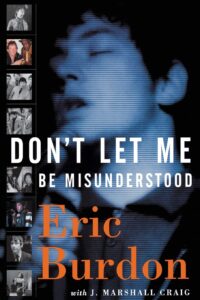 Eric Burdon & The Animals disbanded in 1969, and Burdon went on to pursue a solo career. The original members of The Animals reunited briefly in 1975 and again in 1983, releasing new LPs and going on tour. These reunions were marked by a return to their blues roots and celebrated the group’s legacy.
The Animals: Legacy and Influence
The Animals’ influence on rock and blues music is significant. Their gritty, blues-based sound and powerful performances inspired countless musicians and groups. Songs like The House of the Rising Sun and We Gotta Get Out of This Place remain timeless classics that continue to resonate with audiences.
The group’s legacy is celebrated through various tributes, documentaries, and live performances. They were inducted into the Rock and Roll Hall of Fame in 1994, recognizing their contributions to popular music.
Conclusion
The Animals’ journey from a Newcastle blues group to international rock stars is a testament to their talent, passion, and enduring appeal. With a career spanning over six decades, they have left an indelible mark on the history of rock and blues music. Their powerful performances, gritty sound, and timeless hits continue to resonate with audiences worldwide, ensuring that The Animals remain an essential part of the rock music canon.
This is my favourite Animals collection, with 81 live tracks. Beat that!
Click on the cover.

This is my favourite Animals collection, with 81 live tracks. Beat that!
Click on the cover.

RECENT POSTS
Bio: Keith Richards
Love Me Do tells the story of Keith Richards of the Rolling Stones from his early life through his rise to fame to his musical legacy and honours.
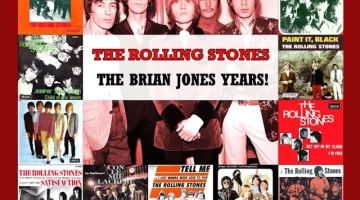
Book Review: The Rolling Stones: The Brian Jones Years
Love Me Do reviews The Rolling Stones: The Brian Jones Years (Every Song from Every Session) by Peter Checksfield, an in-depth look into Brian Jones’ influence.

Bio: Mike d’Abo
Love Me Do tells the story of Mike d’Abo, who replaced Paul Jones as lead singer of the 1960s pop group Manfred Mann, and was also an accomplished songwriter.
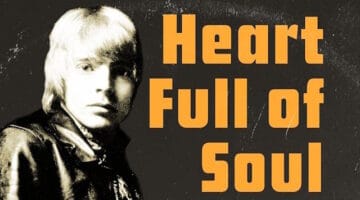
Bio: Keith Relf
Love Me Do tells the story of Keith Relf, lead singer with The Yardbirds and later Renaissance, and whose life was cut tragically short.
Book Review: Life by Keith Richards
Love Me Do reviews Life by Keith Richards, the warts and all autobiography by the Rolling Stones lead guitarist and rock legend.
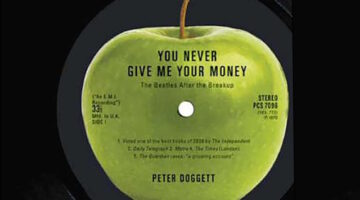
Book Review: You Never Give Me Your Money
Love Me Do reviews the book You Never Give Me Your Money by Peter Doggett, which provides an in-depth look at The Beatles’ breakup and their financial dealings.
Book Review: Here Comes the Sun
Love Me Do reviews Here Comes the Sun: The Spiritual and Musical Journey of George Harrison by Joshua M. Greene.
LP Review: Let It Be – The Beatles
Love Me Do reviews the Beatles final LP release, Let It Be, with such tracks as Get Back, Let It Be, Across the Universe and The Long and Winding Road.

LP Review: Abbey Road – The Beatles
Love Me Do reviews The Beatles’ Abbey Road LP with such tracks as Something, Here Comes the Sun, Come Together, Octopus’s Garden and Maxwell’s Silver Hammer.
LP Review: The White Album – The Beatles
Love Me Do reviews The Beatles’ LP known as The White Album with such tracks as Blackbird, While My Guitar Gently Weeps, Bungalow Bill, Julia and I Will.
LP Review: Yellow Submarine – The Beatles
Love Me Do reviews The Beatles’ Yellow Submarine LP, with songs such as Yellow Submarine, All You Need Is Love, Hey Bulldog and All Together Now.

LP Review: Magical Mystery Tour – The Beatles
Love Me Do reviews the Beatles’ Magical Mystery Tour LP with such songs as Fool on the Hill, I Am the Walrus, Penny Lane and All You Need Is Love.
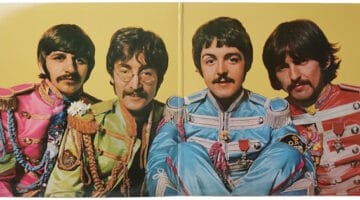
LP Review: Sgt. Pepper’s Lonely Hearts Club Band – The Beatles
Love Me Do reviews the Beatles’ best album, Sgt Pepper’s Lonely Hearts Club Band, with such tracks as She’s Leaving Home and With a Little Help from My Friends.
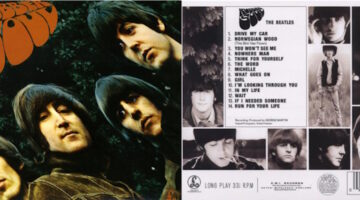
LP Review: Rubber Soul – The Beatles
Love Me Do reviews the Beatles LP Rubber Soul with track highlights such as Norwegian Wood, Michelle, Nowhere Man, Girl, Drive My Car and In My Life.
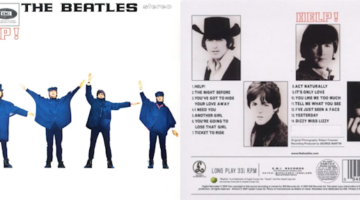
LP Review: Help! – The Beatles
Love Me Do reviews the Beatles’ fifth LP, the soundtrack to their second film, Help!, with such hits as Ticket to Ride and Yesterday, and Ringo’s Act Naturally.
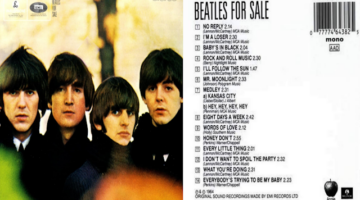
LP Review: Beatles for Sale – The Beatles
Love Me Do reviews the Beatles’ fourth LP, Beatles for Sale, with covers of six songs including Words of Love, Honey Don’t and Rock and Roll Music.
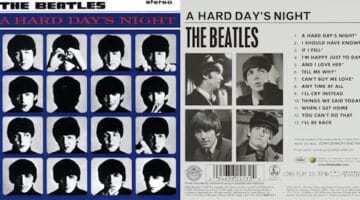
LP Review: A Hard Day’s Night – The Beatles
Love Me Do reviews the Beatles’ third LP, A Hard Day’s Night, the group’s first LP to have all original songs including And I Love Her and Can’t Buy Me Love,
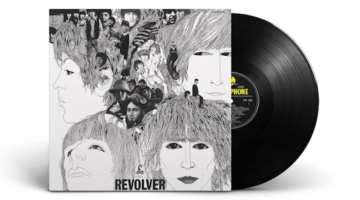
LP Review: Revolver – The Beatles
Love Me Do reviews the innovative Beatles album Revolver, their revolutionary work with its ground-breaking studio techniques and the precursor to Sergeant Pepper.
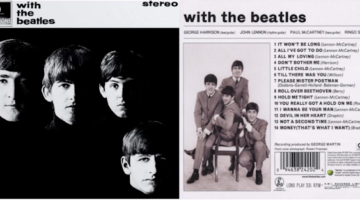
LP Review: With the Beatles – The Beatles
Love Me Do reviews With the Beatles, the second album by The Beatles with such classic tracks as All My Loving, Till There Was You, It Won’t Be Long and Money.
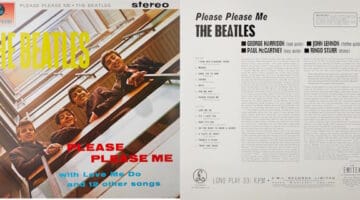
LP Review: Please Please Me – The Beatles
Love Me Do reviews the Beatles’ first LP, Please Please Me, from I Saw Her Standing There to Twist and Shout, which stayed in the UK Top Ten for a year.