


Love Me Do tells the story of British group The Yardbirds, who were a mix of rock, blues, pop and psychedelic influences with hits like For Your Love.
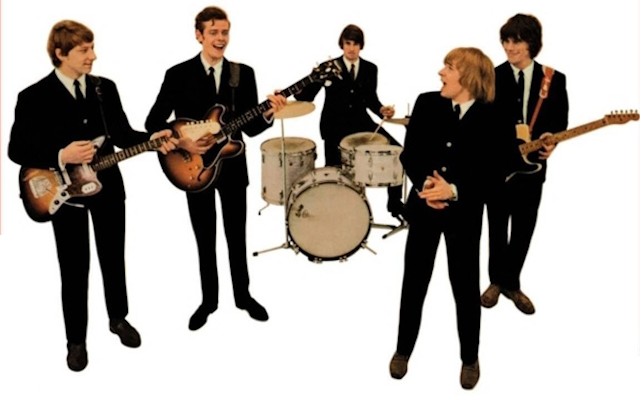
The Yardbirds were one of the most influential and innovative groups of the 1960s, known for their pioneering contributions to rock and blues music. Formed in London in 1963, they are famous for launching the careers of three of the greatest guitarists in rock history: Eric Clapton, Jeff Beck, and Jimmy Page. Here’s a potted history of The Yardbirds.
 Early Years of The Yardbirds

The Yardbirds were formed in 1963 by Keith Relf (vocals), Paul Samwell-Smith (bass), Chris Dreja (rhythm guitar), Jim McCarty (drums), and Anthony ‘Top’ Topham (lead guitar). However, Topham was soon replaced by Eric Clapton due to personal reasons. The group’s name was inspired by American blues and jazz artists who were known as yardbirds in the 1930s and 1940s.
The Yardbirds’ Rise to Fame (1963-1965)
The Yardbirds quickly gained a reputation for their energetic live performances and their innovative blend of blues, rock, and experimental sounds. They became the house group at the Crawdaddy Club in Richmond, London, following the departure of The Rolling Stones.
In May, 1964, they released their debut single, I Wish You Would, followed by Good Morning Little Schoolgirl in October. Their breakthrough came with the release of For Your Love in March, 1965, which reached the Top Ten in both the UK and the US. However, Clapton, who preferred a more traditional blues sound, left the group and was replaced by Jeff Beck.
The Jeff Beck Era (1965-1966)
With Jeff Beck on board, The Yardbirds entered their most experimental phase. Beck’s innovative guitar work and the group’s willingness to push musical boundaries resulted in a series of groundbreaking recordings. Their 1965 album, Having a Rave Up with The Yardbirds, included hits like Heart Full of Soul and Shapes of Things, along with some blues covers including Smokestack Lightning and Bo Diddley’s I’m a Man.

In February, 1966, the group released Shapes of Things as a single and it reached Number 3 in the UK charts and is often regarded as one of the first psychedelic rock songs. Beck’s use of feedback and distortion became a hallmark of the group’s sound during this period. However, internal tensions and Beck’s erratic behavior led to his departure from the group in 1966.
The Jimmy Page Era and Disbandment (1966-1968)
By the time of Beck’s departure Jimmy Page had already joined The Yardbirds, at first playing bass alongside Beck’s lead guitar. Beck soon left to form the Jeff Beck Group. Under Page’s leadership, The Yardbirds continued to experiment with their sound, incorporating elements of hard rock and proto-metal.
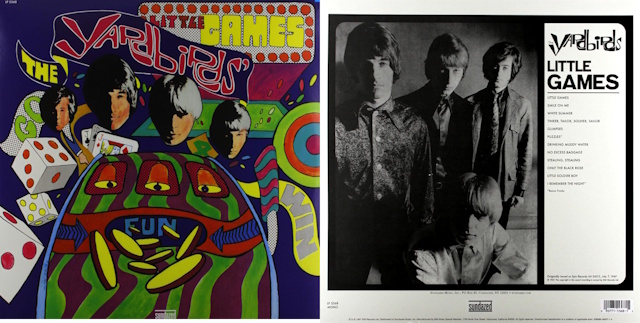
Their 1967 album, Little Games, showcased this new direction but failed to achieve significant commercial success. The group’s live performances during this period, however, were unreal, with Page’s virtuosity and use of the violin bow on the guitar becoming legendary. You can get a sense of their live sound on the excellent Live Yardbirds LP.
Despite their innovations, The Yardbirds struggled with internal conflicts and changing musical landscapes. The group officially disbanded in 1968, but Jimmy Page went on to form Led Zeppelin, continuing the legacy of The Yardbirds’ pioneering spirit.

The Yardbirds’ Legacy and Influence
The Yardbirds’ influence on rock and blues music is profound, though they remain one of the most under-rated groups of the sixties. They were instrumental in the development of rock guitar techniques, and their willingness to experiment with new sounds and styles like heavy metal and psychedelia set the stage for future generations of musicians. The careers of Eric Clapton, Jeff Beck, and Jimmy Page, three of rock’s greatest guitarists, were launched with The Yardbirds.
The group’s music continues to be celebrated through reissues, compilations, and tributes. Their contributions to the evolution of rock and their role in shaping the sound of the 1960s are increasingly recognized by fans and critics alike.
RECENT POSTS
Bio: Keith Richards
Love Me Do tells the story of Keith Richards of the Rolling Stones from his early life through his rise to fame to his musical legacy and honours.
Book Review: The Rolling Stones: The Brian Jones Years
Love Me Do reviews The Rolling Stones: The Brian Jones Years (Every Song from Every Session) by Peter Checksfield, an in-depth look into Brian Jones’ influence.

Bio: Mike d’Abo
Love Me Do tells the story of Mike d’Abo, who replaced Paul Jones as lead singer of the 1960s pop group Manfred Mann, and was also an accomplished songwriter.
Bio: Keith Relf
Love Me Do tells the story of Keith Relf, lead singer with The Yardbirds and later Renaissance, and whose life was cut tragically short.
Book Review: Life by Keith Richards
Love Me Do reviews Life by Keith Richards, the warts and all autobiography by the Rolling Stones lead guitarist and rock legend.
Book Review: You Never Give Me Your Money
Love Me Do reviews the book You Never Give Me Your Money by Peter Doggett, which provides an in-depth look at The Beatles’ breakup and their financial dealings.

Book Review: Here Comes the Sun
Love Me Do reviews Here Comes the Sun: The Spiritual and Musical Journey of George Harrison by Joshua M. Greene.
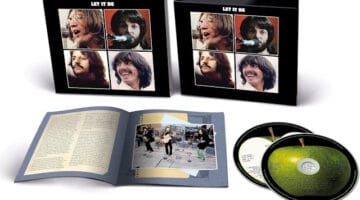
LP Review: Let It Be – The Beatles
Love Me Do reviews the Beatles final LP release, Let It Be, with such tracks as Get Back, Let It Be, Across the Universe and The Long and Winding Road.

LP Review: Abbey Road – The Beatles
Love Me Do reviews The Beatles’ Abbey Road LP with such tracks as Something, Here Comes the Sun, Come Together, Octopus’s Garden and Maxwell’s Silver Hammer.
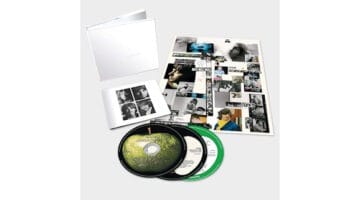
LP Review: The White Album – The Beatles
Love Me Do reviews The Beatles’ LP known as The White Album with such tracks as Blackbird, While My Guitar Gently Weeps, Bungalow Bill, Julia and I Will.
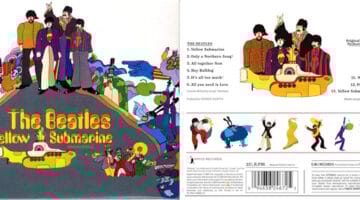
LP Review: Yellow Submarine – The Beatles
Love Me Do reviews The Beatles’ Yellow Submarine LP, with songs such as Yellow Submarine, All You Need Is Love, Hey Bulldog and All Together Now.

LP Review: Magical Mystery Tour – The Beatles
Love Me Do reviews the Beatles’ Magical Mystery Tour LP with such songs as Fool on the Hill, I Am the Walrus, Penny Lane and All You Need Is Love.
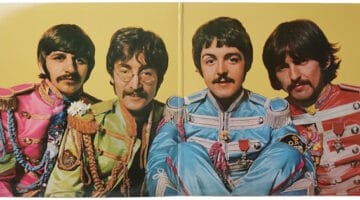
LP Review: Sgt. Pepper’s Lonely Hearts Club Band – The Beatles
Love Me Do reviews the Beatles’ best album, Sgt Pepper’s Lonely Hearts Club Band, with such tracks as She’s Leaving Home and With a Little Help from My Friends.
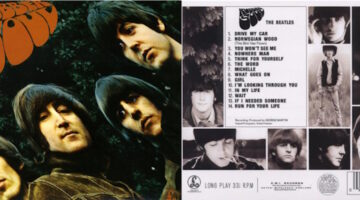
LP Review: Rubber Soul – The Beatles
Love Me Do reviews the Beatles LP Rubber Soul with track highlights such as Norwegian Wood, Michelle, Nowhere Man, Girl, Drive My Car and In My Life.
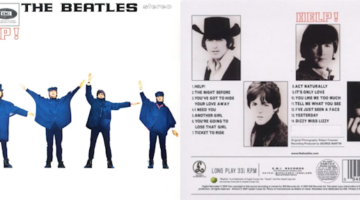
LP Review: Help! – The Beatles
Love Me Do reviews the Beatles’ fifth LP, the soundtrack to their second film, Help!, with such hits as Ticket to Ride and Yesterday, and Ringo’s Act Naturally.
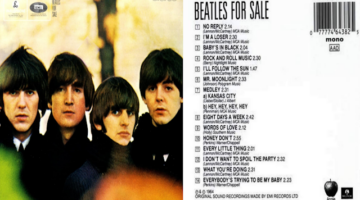
LP Review: Beatles for Sale – The Beatles
Love Me Do reviews the Beatles’ fourth LP, Beatles for Sale, with covers of six songs including Words of Love, Honey Don’t and Rock and Roll Music.
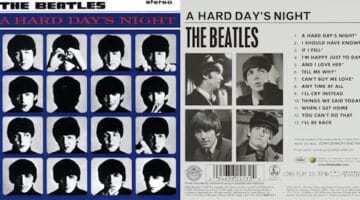
LP Review: A Hard Day’s Night – The Beatles
Love Me Do reviews the Beatles’ third LP, A Hard Day’s Night, the group’s first LP to have all original songs including And I Love Her and Can’t Buy Me Love,
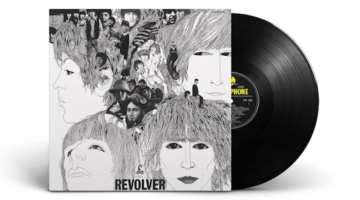
LP Review: Revolver – The Beatles
Love Me Do reviews the innovative Beatles album Revolver, their revolutionary work with its ground-breaking studio techniques and the precursor to Sergeant Pepper.
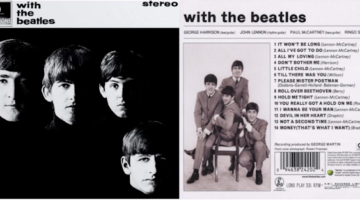
LP Review: With the Beatles – The Beatles
Love Me Do reviews With the Beatles, the second album by The Beatles with such classic tracks as All My Loving, Till There Was You, It Won’t Be Long and Money.
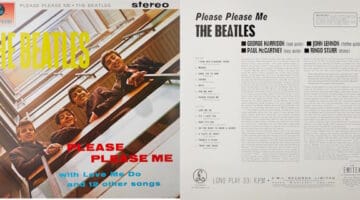
LP Review: Please Please Me – The Beatles
Love Me Do reviews the Beatles’ first LP, Please Please Me, from I Saw Her Standing There to Twist and Shout, which stayed in the UK Top Ten for a year.